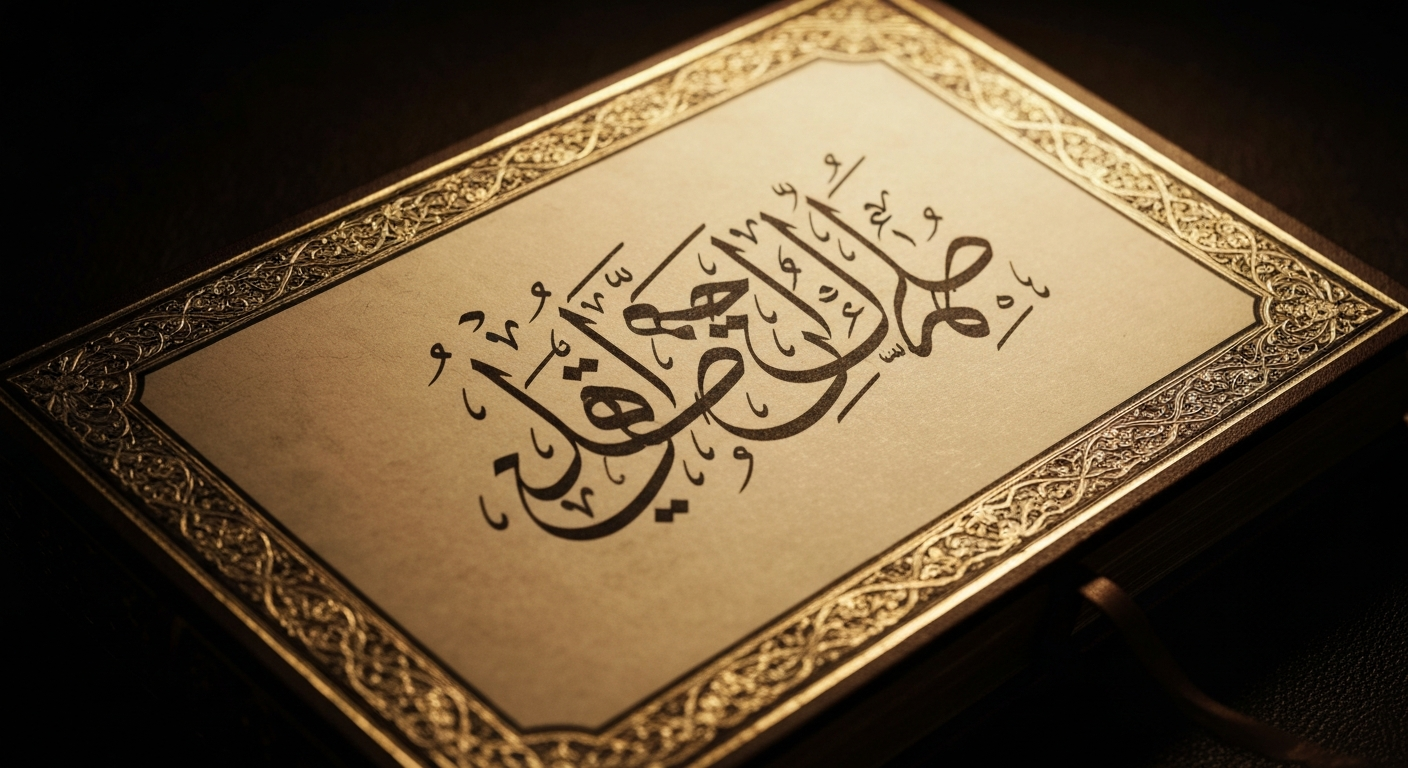
Control Your Anger Before It Controls You: A Timeless Lesson from Imam Ali (AS)
غصے پر قابو پائیں، اس سے پہلے کہ غصہ آپ پر قابو پا لے: امام علیؑ کی ایک لازوال نصیحت

Anger is one of the strongest emotions a human being experiences. It can arise within seconds, influence our decisions, damage relationships, and leave lasting regret. While anger itself is a natural emotion, the way we respond to it determines the strength of our character.
Centuries ago, Imam Ali (AS) taught that true strength is not measured by physical power or authority. Instead, real strength lies in self-control. A person who can master their emotions, especially during moments of anger, demonstrates wisdom, patience, and faith.
In today's fast-paced world, where arguments spread quickly through conversations, workplaces, and social media, this teaching is more relevant than ever.
A Saying of Imam Ali (AS)
Imam Ali (AS) is reported to have said:
"The strongest person is the one who controls himself at the time of anger."
Reference: Ghurar al-Hikam wa Durar al-Kalim, Hadith 2885 (theme of controlling anger and mastering the self).
This concise statement offers a powerful definition of strength. Instead of encouraging domination over others, Imam Ali (AS) teaches us to first gain control over ourselves.
Why Anger Is So Dangerous
Anger often begins as a reaction to disappointment, disrespect, injustice, or frustration. If left unchecked, it can quickly influence our words and actions.
Many broken relationships, damaged reputations, and painful decisions begin with a single uncontrolled moment of anger.
People may spend years building trust but destroy it within minutes because they allowed anger to speak before wisdom.
For this reason, controlling anger is not a sign of weakness. It is a form of emotional intelligence and spiritual discipline.
Strength Begins Within
Society often associates strength with physical ability, wealth, or influence. Imam Ali (AS) shifts our attention inward.
A person who defeats others may appear powerful, but a person who defeats pride, impatience, and uncontrolled emotions possesses a far greater victory.
Anyone can react in anger.
Only a person with discipline can pause, think, and choose a better response.
This inner victory is one of the foundations of noble character.
The Qur'anic View of Self-Control
The Holy Qur'an praises those who remain calm even when they have every reason to become angry:
"Those who restrain their anger and pardon people. Allah loves those who do good."
Surah Aal-e-Imran (3:134)
This verse connects anger management with excellence in character. It does not deny that believers experience anger. Instead, it praises those who refuse to let anger control their behavior.
Restraint is an act of strength, and forgiveness is an act of courage.
The Cost of Uncontrolled Anger
When anger dominates a person, the consequences can be severe:
- Families become divided.
- Friendships come to an end.
- Children grow up in fear.
- Communities lose trust.
- Regret replaces peace.
Many people apologize after becoming angry, but some words cannot be taken back. Some wounds remain long after the argument has ended.
Learning to pause before reacting protects both ourselves and the people around us.
Practical Lessons from Imam Ali (AS)
The teaching of Imam Ali (AS) is not merely theoretical. It offers practical guidance for everyday life.
Pause Before Responding
When emotions become intense, avoid making immediate decisions or replying instantly. A brief pause often prevents lasting regret.
Speak with Wisdom
Not every thought needs to become a spoken word. Choosing silence at the right moment is often wiser than winning an argument.
Separate Emotion from Justice
Feeling angry does not always mean we are right. Wise people examine the situation before reaching conclusions.
Practice Forgiveness
Forgiveness does not justify wrongdoing, but it frees the heart from carrying unnecessary bitterness.
Build Self-Discipline Daily
Self-control is developed through consistent practice. Small moments of patience prepare us for greater challenges in life.
Applying This Teaching Today
Modern life constantly tests our patience. Heavy workloads, financial stress, family responsibilities, and online disagreements make anger easier than ever.
Instead of allowing emotions to lead us, we should ask ourselves:
- Will my response solve the problem?
- Will these words bring peace or create more conflict?
- How will I feel about this decision tomorrow?
Often, a calm response achieves what anger never can.
The Legacy of Imam Ali (AS)
One reason the wisdom of Imam Ali (AS) continues to inspire people across generations is its timeless relevance.
His teachings focus on building character before seeking influence. They remind us that leadership begins with self-discipline and that the strongest people are those who remain balanced during life's most difficult moments.
This lesson extends beyond personal relationships. It applies to leadership, parenting, education, business, and every area where decisions affect others.
Conclusion
The world often celebrates those who conquer others, but Imam Ali (AS) teaches us to first conquer ourselves.
Controlling anger is not suppressing emotion. It is directing emotion with wisdom, patience, and faith. It protects relationships, strengthens communities, and reflects true inner strength.
Every moment of self-control is a victory over the ego. Every calm response is a step toward becoming the person Allah wants us to be.
The next time anger arises, remember the timeless words of Imam Ali (AS): the strongest person is not the one who defeats others, but the one who masters himself.
References
- Ghurar al-Hikam wa Durar al-Kalim, Hadith 2885 (theme of controlling anger).
- The Holy Qur'an, Surah Aal-e-Imran (3:134).
- Nahj al-Balagha, various sermons and sayings emphasizing patience, self-discipline, and noble character.
Reflection Question
When I become angry, do I allow my emotions to control my actions, or do I pause, reflect, and respond with the wisdom that Imam Ali (AS) taught?
This article is a collaborative effort between Artificial Intelligence and Prof. Ali Zahoor Mehdi. While AI assisted in drafting, the core insights, refinement, and final approval are strictly the author's work.
Comments (0)
Please keep comments respectful, relevant, and thoughtful.