
The Art of Listening: The Skill That Builds Strong Relationships
سننے کا ہنر: مضبوط تعلقات بنانے کی سب سے اہم صلاحیت
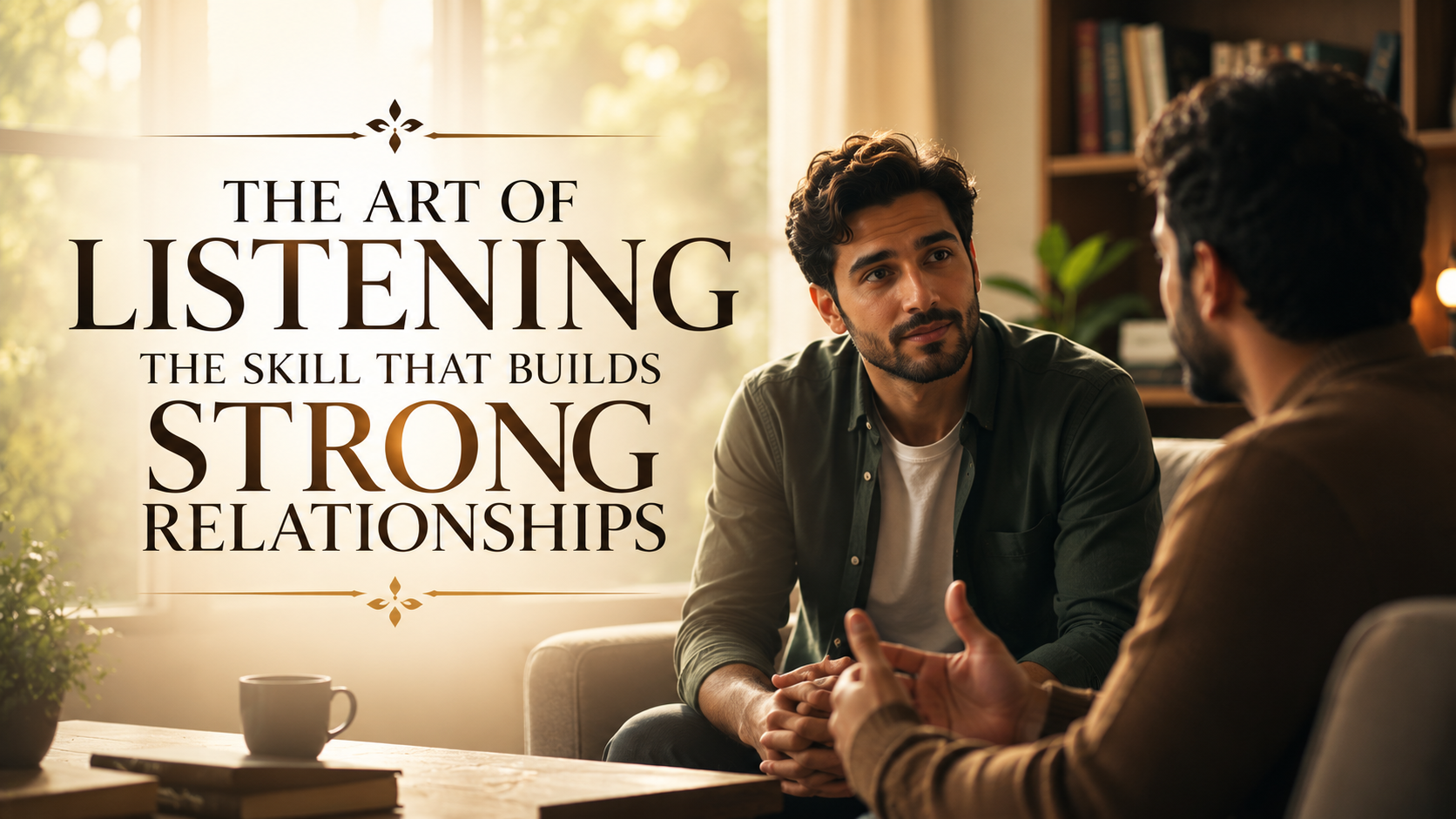
Most people believe communication is about speaking well. In reality, the strongest relationships are built by people who know how to listen.
Think about the people you trust the most. Chances are, they are not the ones who talk the most. They are the ones who make you feel heard, understood, and valued.
In today's fast-paced world, many conversations are filled with interruptions, distractions, and quick responses. We often listen just long enough to reply instead of listening to understand.
Learning to listen is more than a communication skill. It is a sign of wisdom, respect, and emotional maturity. It strengthens families, improves friendships, builds better leaders, and creates healthier communities.
Hearing Is Not the Same as Listening
Hearing happens automatically.
Listening is intentional.
You can hear someone's words while thinking about your next response.
True listening means giving someone your full attention without interrupting, judging, or preparing an answer before they finish speaking.
People rarely remember every word you say, but they often remember how you made them feel.
The Qur'an Encourages Thoughtful Listening
Allah says:
"...So give good news to My servants, those who listen to the word and follow the best of it. Those are the ones whom Allah has guided, and those are people of understanding."
(Surah Az-Zumar 39:17–18)
This verse teaches that wisdom begins with listening.
Before making judgments or decisions, a believer listens carefully, reflects thoughtfully, and chooses what is best.
Listening is not passive. It is an active path to knowledge and better decisions.
A Lesson from Imam Ali (AS)
Imam Ali (AS) said:
"Understanding comes through listening."
Reference: Ghurar al-Hikam wa Durar al-Kalim.
This short statement carries a timeless lesson.
We cannot understand people if we are always speaking.
Every meaningful conversation begins with genuine attention.
Listening opens the door to knowledge, empathy, and stronger relationships.
What Modern Psychology Says
Stephen R. Covey, in The 7 Habits of Highly Effective People, wrote:
"Seek first to understand, then to be understood."
This principle has become one of the most respected ideas in leadership and communication.
Research in psychology also shows that active listening increases trust, reduces conflict, and improves teamwork. When people feel heard, they become more open, cooperative, and willing to solve problems together.
Sometimes the greatest gift we can give someone is our full attention.
Common Listening Mistakes
Many conversations fail because of habits we do not even notice.
Some of the most common mistakes include:
- Interrupting before the other person finishes.
- Looking at a phone while someone is speaking.
- Assuming we already know what they mean.
- Listening only to defend our own opinion.
- Giving advice before understanding the problem.
Avoiding these habits can instantly improve the quality of our relationships.
Five Ways to Become a Better Listener
Give Your Full Attention Put distractions aside and focus completely on the person speaking.
Eye contact and genuine attention show respect.
Don't Interrupt Allow people to finish their thoughts before responding.
Sometimes a few extra seconds of silence encourage them to share something important.
Ask Questions Instead of making assumptions, ask thoughtful questions.
This shows genuine interest and prevents misunderstandings.
Listen Without Judging Not every conversation requires agreement.
Sometimes people simply need someone who understands their perspective.
Respond with Kindness Choose words that encourage rather than criticize.
A respectful response keeps communication open.
Why Listening Matters in Every Relationship
In Families Parents who listen build trust with their children.
Spouses who listen strengthen their marriage.
Families that communicate well solve problems more peacefully.
In Friendships People stay close to those who make them feel understood.
Listening creates deeper and more meaningful friendships.
At Work Managers who listen earn respect.
Employees who listen make fewer mistakes.
Teams that listen work more effectively together.
Conclusion
Listening is one of the simplest skills to learn, yet one of the hardest to master.
The Qur'an encourages believers to listen carefully before choosing the best path.
Imam Ali (AS) reminds us that true understanding begins with listening.
Modern research confirms that listening builds trust, strengthens relationships, and improves communication.
The next time someone speaks to you, resist the urge to interrupt or think about your reply.
Listen with patience.
Listen with respect.
Listen with the intention to understand.
Because sometimes the most powerful words we can offer are spoken only after we have truly listened.
References
- The Holy Qur'an, Surah Az-Zumar (39:17–18).
- Ghurar al-Hikam wa Durar al-Kalim, sayings on listening and wisdom.
- Stephen R. Covey, The 7 Habits of Highly Effective People.
- Chris Voss, Never Split the Difference.
Reflection Question
When someone speaks to me, do I listen to understand their heart and perspective, or do I simply wait for my turn to speak?
This article is a collaborative effort between Artificial Intelligence and Prof. Ali Zahoor Mehdi. While AI assisted in drafting, the core insights, refinement, and final approval are strictly the author's work.
Comments (0)
Please keep comments respectful, relevant, and thoughtful.